
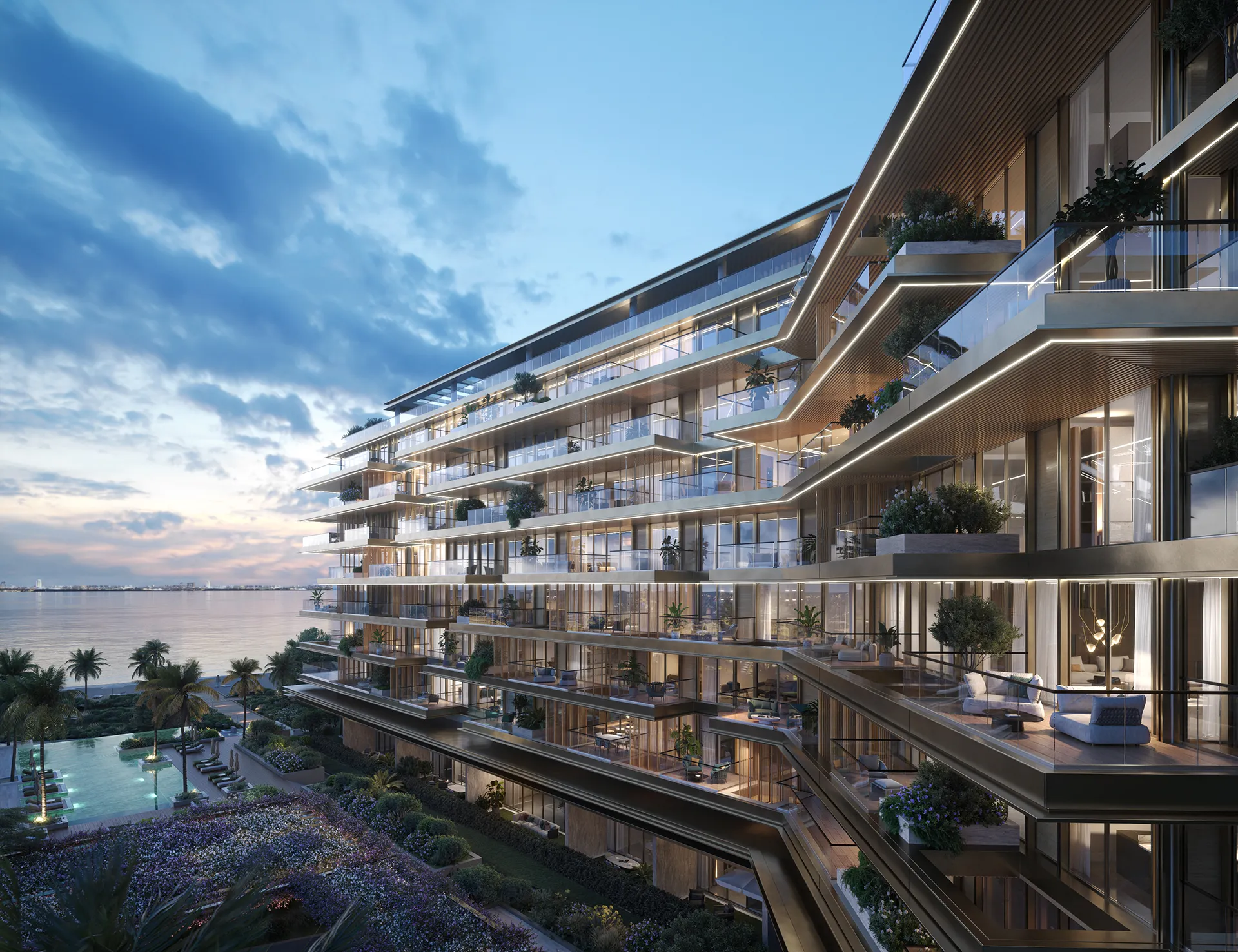
The area matters as much as the unit when you’re evaluating property in Dubai, because it determines whether you get full, permanent ownership or a long-term lease with an expiry date. Dubai splits into freehold zones, where foreigners can own outright, and non-designated zones, where they can’t. Getting this backwards is the single most common mistake international buyers make here.
At Wadeen Developers, we’ve spent over a decade building homes, first in Qatar with landmark projects like the Doha Souq Mall, and now in Dubai, where our flagship project sits on Dubai Islands, one of the city’s actively growing freehold waterfront destinations. Understanding the freehold map is the first real step in any serious property search here, so this guide breaks down what freehold and leasehold actually mean and which neighborhoods fall into each category.
Freehold ownership means you hold the title deed to the property and the land beneath it, registered in your name with the Dubai Land Department, with no expiry date. You can sell, lease, mortgage, renovate, or pass it on to heirs without restriction. Leasehold, by contrast, grants the right to occupy and use a property for a fixed term, typically up to 99 years, after which it reverts to the original landowner. During that term, leaseholders have broadly similar day-to-day rights, they can live there or rent it out, but they don’t own the underlying land, and the clock is always running.
Dubai opened freehold ownership to foreign nationals in 2002, and Law No. 7 of 2006 formally codified the system, giving the Ruler of Dubai authority to designate specific zones where non-UAE, non-GCC nationals could hold full title. Outside those designated zones, ownership by non-nationals is restricted to leasehold or usufruct arrangements. This isn’t a quality signal, some non-designated neighborhoods are excellent places to live, it’s purely a legal classification that determines what kind of ownership you’re eligible for as a foreign buyer.
The freehold map has expanded well beyond its original scope and now covers more than 60 designated communities. Some of the most active include:
Several of Dubai’s older, more established districts remain outside the freehold system, meaning non-GCC foreign buyers are limited to leasehold arrangements there:
| Freehold areas | Non-designated (leasehold) areas | |
|---|---|---|
| Ownership | Full title, property and land | Right to occupy, typically up to 99 years |
| Eligible buyers | Any nationality | UAE and GCC nationals for freehold; foreigners get leasehold only |
| Examples | Dubai Marina, Downtown, Dubai Islands, JVC | Deira, Bur Dubai, Karama, Satwa |
| Inheritance | Passes on without restriction | Reverts to landowner at lease end |
| Residency visa eligibility | Golden Visa and property visa routes apply | Generally not applicable |
Here’s something a lot of buyers don’t realize: Dubai’s freehold list isn’t fixed. In early 2025, the government moved Al Jaddaf and parts of Sheikh Zayed Road from leasehold to full freehold status, giving existing leasehold owners there the option to convert. It’s a reminder that the freehold map has grown steadily since 2002 and continues to expand, so a neighborhood that’s leasehold-only today isn’t necessarily locked in that category forever.
Marketing materials aren’t the source of truth here, the title deed is. Before signing anything on property in Dubai, confirm the ownership type directly through the Dubai REST app or by checking with the Dubai Land Department, since some larger areas contain both freehold and leasehold pockets within the same master plan. A RERA-registered broker can also verify a building’s exact designation before you commit a deposit.
For most foreign buyers, freehold is the more straightforward choice: full ownership, no expiry, and eligibility for Golden Visa or property-visa residency routes tied to investment thresholds. Leasehold arrangements have their place, generally for buyers specifically drawn to a non-designated neighborhood’s location or price point, but they come with an eventual reversion date that needs to factor into any long-term investment decision.
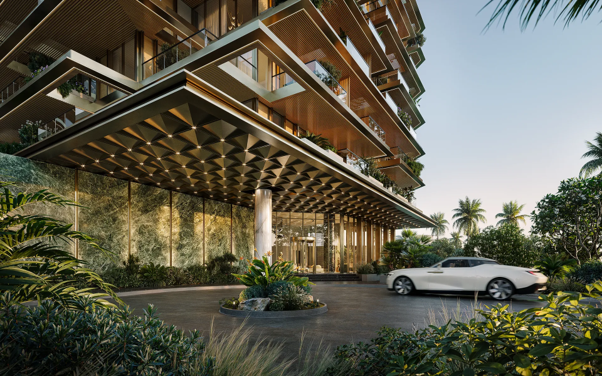
We chose Dubai Islands for our flagship development deliberately, it’s a freehold waterfront zone with full ownership rights for international buyers, paired with the kind of long-term investment clarity that matters when you’re evaluating property in Dubai from overseas. Every buyer exploring our developments gets clear confirmation of freehold status upfront, not buried in the fine print.
If you’re evaluating property in Dubai and want the certainty of full freehold ownership, our team can walk you through our current developments on Dubai Islands, including unit availability, pricing, and payment plans. Reach out to start the conversation.